



Research Areas
Research Achievements
We proudly publish our research findings in SCIE-indexed journals.
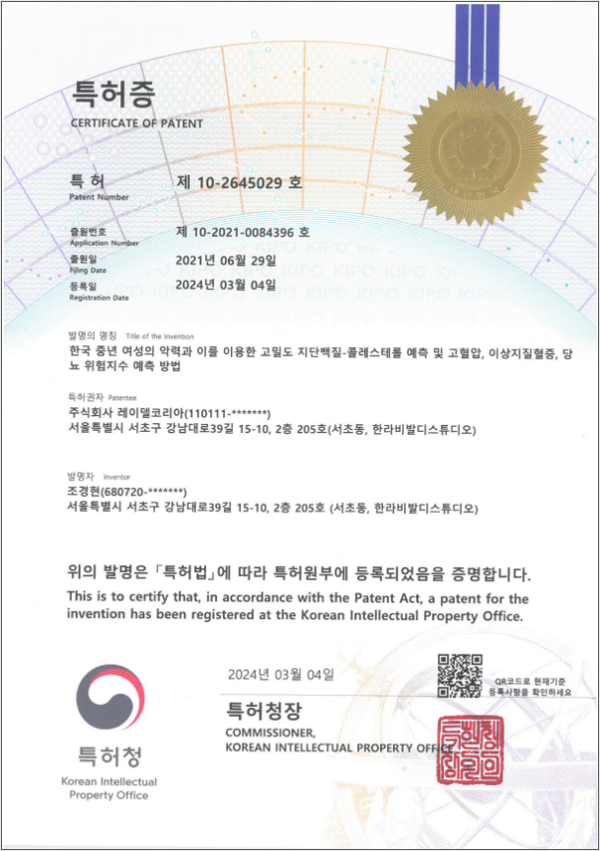
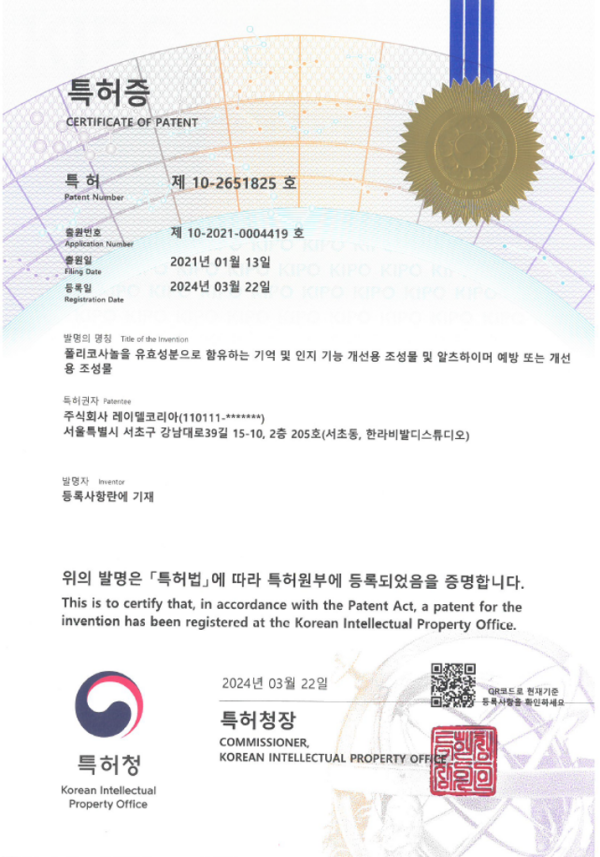
Patent
A leading institute in basic research on lipoproteins
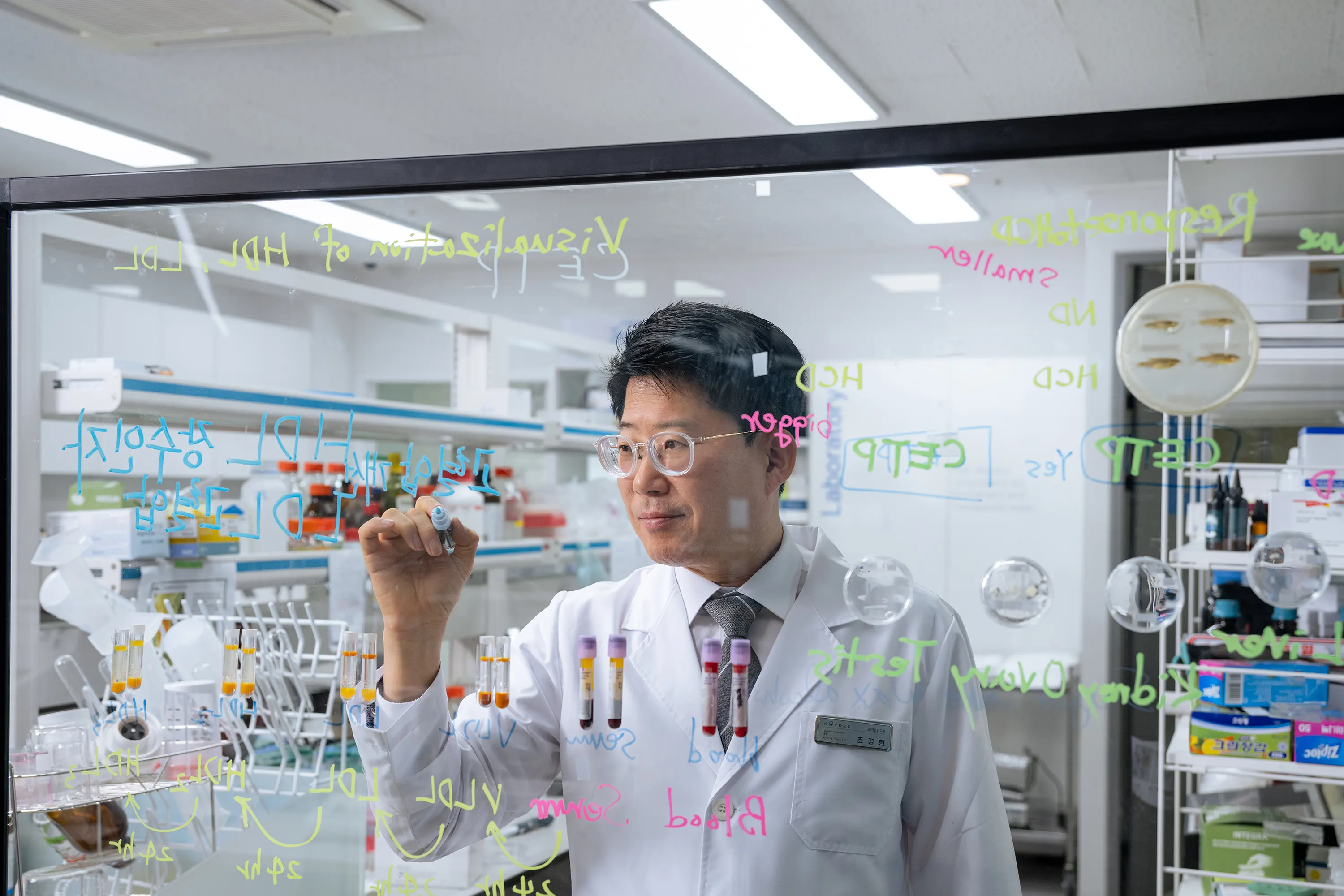
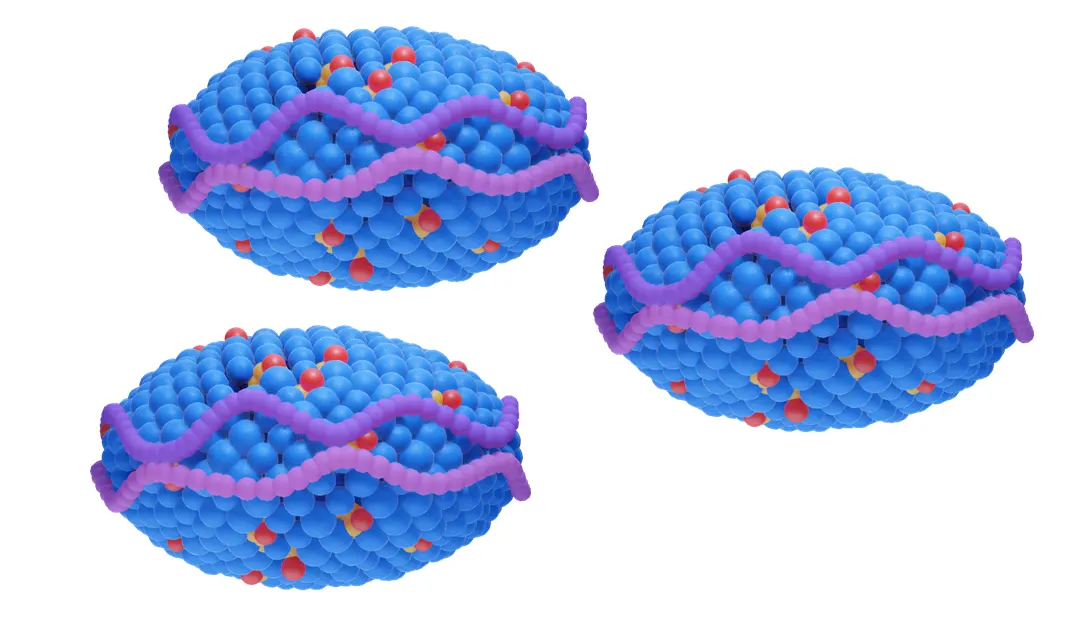
RAYDEL HDL Research Institute is dedicated to focused research on HDL, cholesterol, and policosanol.
Learn More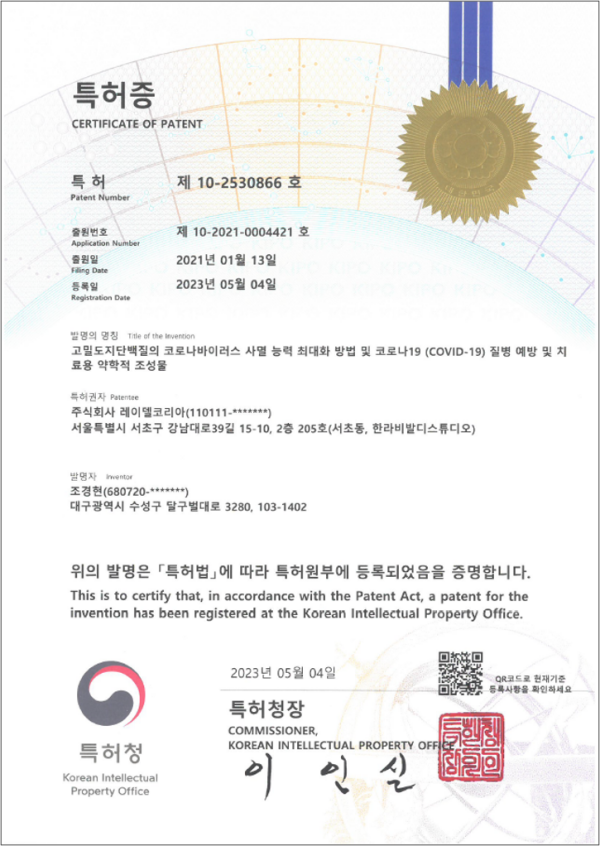
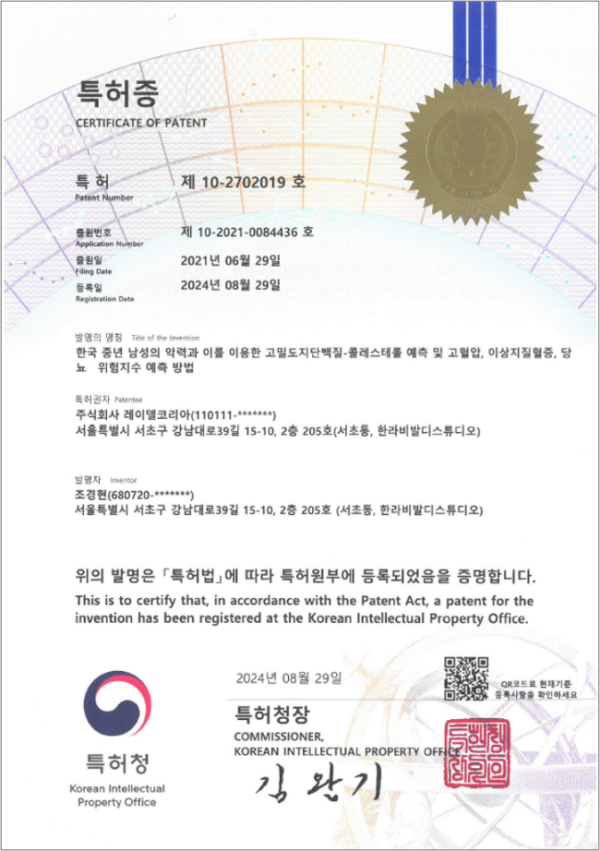

HDL Quality Test Application
Our mission is to advance public health and prevent disease through the development of new drugs and functional foods.
Apply NowInside RAYDEL HDL Research Institute
Our researchers at RADEL HDL Research Institute are committed to improving quality of life through science.
Longevity Factor Health Check
We evaluate the therapeutic potential of natural compounds and protein-based candidates through animal models and human clinical trials.
RAYDEL News
See More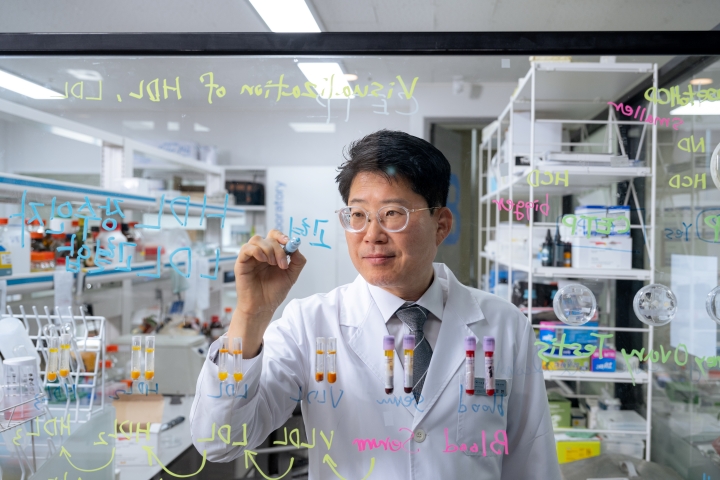
RAYDEL HDL Research Director Kyung-Hyun Cho Selected as Top 1% Researcher Worldwide
RAYDEL HDL Research Director Kyung-Hyun Cho Selected as Top 1% Researcher Worldwide Raydel announced Kyung-Hyun Cho, director of the Raydel HDL Research Institute, has been selected as one of the world’s top 1% researchers by Elsevier’s global ranking. Each year, Stanford University and Elsevier evaluate researchers who have published at least five papers across 22 main disciplines and 174 sub-disciplines, selecting the top 2% based on citation impact. In 2025, about 10 million researchers were reviewed, and approximately 236,000 were selected, with Cho ranked within the top 1%. He was ranked 0.23% in biochemistry and molecular biology, 0.09% in nutrition and functional foods, and 0.4% in the biomedical field. Over 34 years, Cho has published more than 180 SCI-level papers on HDL. HDL (high-density lipoprotein) acts in the blood as a powerful antioxidant and anti-inflammatory agent, transporting cholesterol accumulated in blood vessels back to the liver. The Raydel HDL Research Institute is the only institution in Korea equipped with advanced diagnostic technologies to directly evaluate HDL quality, including particle shape, size, and antioxidant capacity. The team also achieved a world-first scientific breakthrough by elucidating the mechanism by which Cuban policosanol (sugarcane wax alcohol) improves both the quality and quantity of HDL and helps regulate blood pressure. In addition, Cho has filed or registered 62 domestic and international patents, and has served as guest editor for special issues on HDL metabolism and function in international journals such as Molecules and International Journal of Molecular Sciences. Dr. Cho said: “When HDL is damaged, people are more prone to infections, hypertension, diabetes, and dementia. My goal is to continue developing technologies that enhance both the quality and quantity of HDL, and to help create a society where people live long and healthy lives.” Source: Hankyung TV(Sep. 2025) http://wowtv.co.kr/NewsCenter/News/Read?articleId=A202509251020
2025.10.14
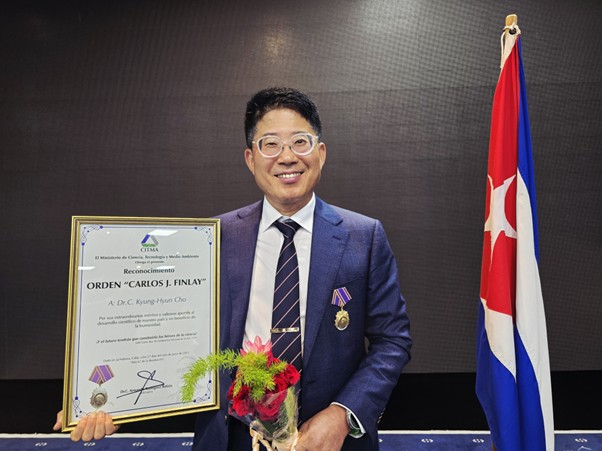
RAYDEL HDL Research Director Kyung-Hyun Cho Awarded Cuba’s “Carlos Finlay” Medal
RAYDEL HDL Research Director Kyung-Hyun Cho Awarded Cuba’s “Carlos Finlay” Medal Raydel announced Kyung-Hyun Cho, director of Raydel HDL Research Institute, has been honored by the Cuban government with the “Carlos Finlay” Medal. This medal is the highest-level distinction awarded by the Cuban scientific community. Since 1930, it has been granted only to world-class researchers who have contributed to human health and scientific progress. The award ceremony took place on June 27 local time in Varadero, Matanzas Province, Cuba, at the “17th International Congress of the Cuban National Institute for Scientific Research.” The Cuban Ministry of Science, Technology, and Environment stated that Cho’s contributions include promoting the scientific efficacy of natural product–based medicines developed in Cuba — such as policosanol, beeswax alcohols, ozone oil, and the foot ulcer therapy “Herbafrot-P” — to the international community. In particular, Cho garnered attention for his research that first elucidated the mechanism by which Cuban policosanol (sugarcane wax alcohol) simultaneously improves both the quality and quantity of HDL and regulates blood pressure. Under Cho’s leadership, Raydel HDL Research Institute is uniquely equipped in Korea to directly analyze HDL particle shape, size, antioxidant capacity, and other functional qualities. Over the past 33 years, Cho has published more than 180 SCI-level papers in biochemistry, nutrition, and biomedical fields, and has been selected as a top 1% influential researcher in each of those domains. He has filed or registered 62 domestic and international patents, and has actively continued academic work — for instance, planning special issues on HDL metabolism and function in international journals such as Molecules and International Journal of Molecular Sciences as guest editor. Dr. Cho stated: “Cuba possesses outstanding medicinal natural resources due to its climate and soil, but it has been regrettable that the scientific mechanisms are less known in the West. I wish to combine our institute’s biotechnology capabilities with Cuban natural product medicines and continue research to offer real therapeutic options to patients worldwide.” “In the aging society, I plan to focus on developing functional pharmaceuticals to improve quality of life and study lifestyle interventions for older adults.” Source: Health JoongAng (June 2025) https://jhealthmedia.joins.com/news/articleView.html?idxno=30566
2025.10.14
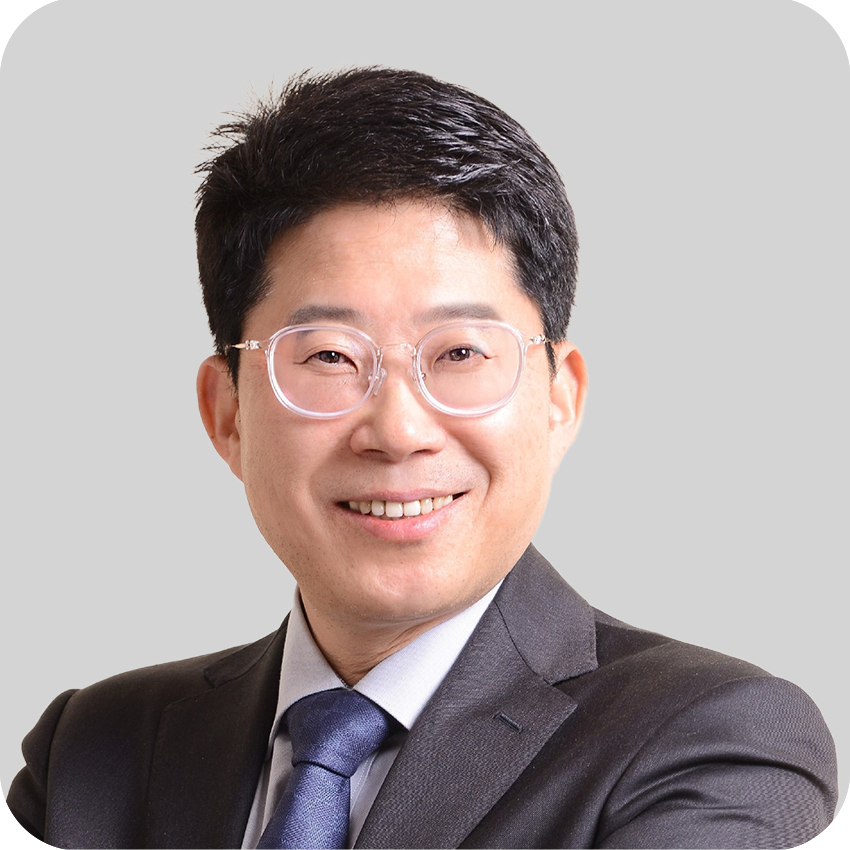
"A “Top 2% Researcher Worldwide” Emerges in S.Korea — Over 160 HDL-Related Papers Published"
"A “Top 2% Researcher Worldwide” Emerges in Korea — Over 160 HDL-Related Papers Published" Global healthcare brand Raydel announced on the 23rd that Dr. Kyung-Hyun Cho, head researcher of Raydel Research Institute, has been selected as one of the “Top 2% Researchers Worldwide.” The “Top 2% Researchers” list is compiled annually by Elsevier (a global academic information analytics firm) together with John P.A. Ioannidis at Stanford University. It covers 22 major academic disciplines and 174 sub-disciplines. Among approximately 9.6 million researchers worldwide who have published at least five papers, selection is made based on citation impact via the SCOPUS index. Dr. Cho is ranked within the top 0.27%, 0.09%, and 0.45% in biochemistry & molecular biology, nutrition, and biomedical research, respectively — thus qualifying as one of the top 2% globally. Over the past 30+ years, Dr. Cho has published more than 160 HDL-related research papers in SCI journals, and has filed or registered 62 domestic and international patents. Through this achievement, he is recognized as a global authority in the lipoprotein field. Dr. Cho commented, “I am honored that decades of consistent research have been acknowledged with this outcome of being selected among the world’s top 2% researchers. Going forward, I will continue to do my utmost to help more people understand the importance of HDL as a longevity factor and thereby contribute to public health and improved quality of life.” Source: MK Health (Sept. 2024) https://www.mkhealth.co.kr/news/articleView.html?idxno=69665
2025.10.14
